[Case Study] World Cup 2026: Không tài trợ chính thức, các thương hiệu vẫn toả sáng bằng cách nào?

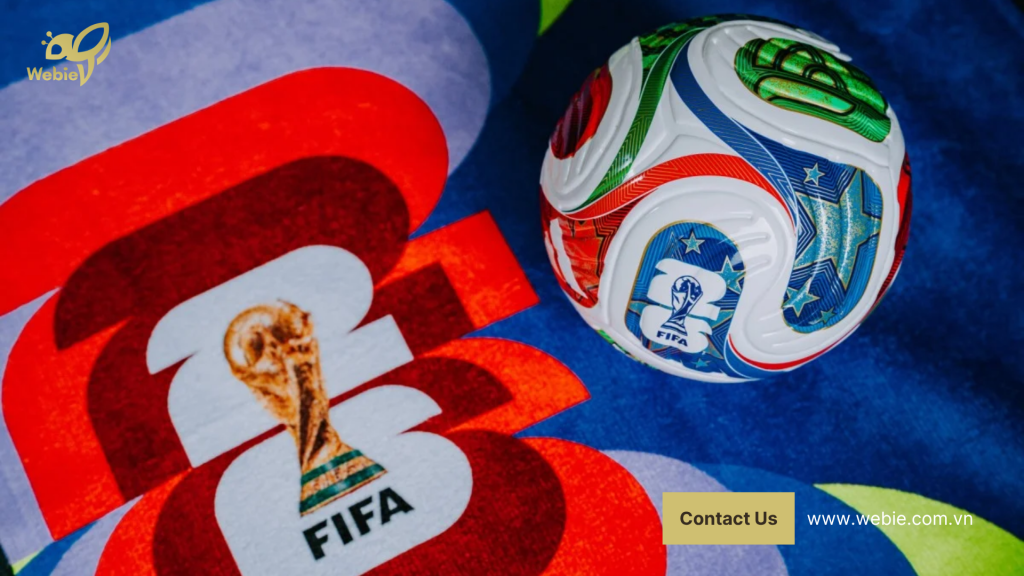
FIFA World Cup 2026 là sự kiện thể thao được hàng tỷ người hâm mộ trên thế giới mong đợi. Doanh nghiệp nào cũng muốn tận dụng sức hút này để tiếp cận khách hàng và gia tăng doanh số. Tuy nhiên, số lượng suất tài trợ chính thức từ FIFA luôn có hạn và đòi hỏi mức chi phí khổng lồ lên đến hàng trăm triệu USD.
Thực tế cho thấy, sự chú ý của người hâm mộ không phải là thứ độc quyền. Bằng những chiến lược thông minh và những bài học từ các thương hiệu đi trước, các thương hiệu không tài trợ chính thức vẫn có thể tự tin hòa nhịp vào không khí sôi động của giải đấu và tạo nên những chiến dịch truyền thông vang dội.
Rào cản từ việc tài trợ World Cup chính thức
Theo báo cáo từ Sports Video Groupdoanh thu bản quyền truyền thông thể thao trên toàn cầu ước tính sẽ cán mốc hơn 63 tỷ USD vào năm 2026. Trong số đó, FIFA World Cup luôn đứng đầu về mức độ đắt đỏ và tính cạnh tranh gay gắt. Cụ thể là toàn bộ 16 suất tài trợ độc quyền của mùa giải 2026 đều đã được bán hết từ rất sớm. Điều này cho thấy đường đua tài trợ World Cup chưa bao giờ là dễ dàng, ngay cả với những thương hiệu có tiềm lực tài chính mạnh mẽ.
Rào cản lớn nhất đối với các nhãn hàng chính là chính sách bảo hộ độc quyền cực kỳ nghiêm ngặt từ FIFA. Trang World Cup Wiki chỉ ra rằng, ban tổ chức quy định mỗi ngành hàng chỉ được phép có một đại diện thương hiệu duy nhất xuất hiện. Bên cạnh đó, cơ chế "clean zone" tại khu vực xung quanh sân đấu và cam kết ngăn chặn tiếp thị "du kích" (ambush marketing) sẽ khóa chặt mọi cơ hội tiếp cận trực tiếp của các đối thủ cạnh tranh. Thực tế này tạo ra một bộ lọc sàng lọc khốc liệt: những doanh nghiệp không có ngân sách khủng hoặc chậm chân đều sẽ bị cô lập hoàn toàn khỏi ngày hội bóng đá lớn nhất hành tinh.
Vậy đâu là lối đi riêng cho những cái tên không nắm giữ tấm vé tài trợ chính thức nhưng vẫn muốn bùng nổ doanh số và truyền thông trong mùa bóng?
Cách mà các thương hiệu không tài trợ vẫn thu hút khách hàng
Sử dụng ngôn ngữ ẩn dụ để tránh bản quyền
Một trong những nguyên tắc cốt lõi khi làm marketing thể thao mà không có bản quyền là không được sử dụng trực tiếp các từ khóa đã được đăng ký bảo hộ thương hiệu như "FIFA World Cup 2026". Thay vào đó, các phòng ban sáng tạo sẽ dùng lối nói ẩn dụ để người đọc tự hiểu.
Ví dụ, các thương hiệu thường sử dụng các cụm từ như “giải bóng đá lớn nhất hành tinh” thay vì “World Cup”. Pepsi là một bậc thầy trong chiến thuật này khi từng định hình chiến dịch “mùa hè bóng đá” quanh những gương mặt đại diện đình đám như Lionel Messi, Sergio Ramos và Sergio Agüero. Mới đây, để không bị phụ thuộc vào bản quyền của bất kỳ mùa giải nào, Pepsi đã thiết lập nền tảng marketing toàn cầu với chiến dịch mang tên “Pepsi Football Nation”. Thay vì tập trung vào những diễn biến trên sân cỏ, chiến dịch này xoáy sâu vào trải nghiệm thực tế của người hâm mộ: từ những cuộc tranh luận nảy lửa, thói quen cổ vũ cho đến cảm xúc hân hoan lúc ghi bàn. Cách tiếp cận này giúp thương hiệu khẳng định một thông điệp mạnh mẽ: bóng đá và cảm xúc của người hâm mộ luôn tồn tại vĩnh cửu, vượt ra ngoài phạm vi một giải đấu cụ thể.
Tài trợ trực tiếp cho cầu thủ và đội tuyển quốc gia
Nếu không thể tài trợ cho toàn bộ giải đấu, doanh nghiệp hoàn toàn có thể lựa chọn hình thức tài trợ bóng đá là ký hợp đồng quảng cáo với cá nhân các ngôi sao sân cỏ hoặc tài trợ trang phục cho các đội tuyển quốc gia tham dự giải.
Ví dụ, Puma tập trung ngân sách để thiết kế và cung cấp áo đấu trực tiếp cho các đội tuyển. Dự kiến tại FIFA World Cup 2026, Puma sẽ tài trợ trang phục cho khoảng 10 đến 12 đội tuyển quốc gia tham gia tranh tài. Khi các cầu thủ ra sân thi đấu suốt 90 phút dưới ống kính truyền hình, logo của thương hiệu sẽ liên tục xuất hiện trước mắt hàng triệu khán giả. Đây là cách tiếp cận gián tiếp nhưng mang lại hiệu quả nhận diện cực kỳ cao, tạo nên mối liên kết chặt chẽ giữa thương hiệu và World Cup mà không cần danh hiệu chính thức.
Tập trung vào văn hóa xem bóng đá của người hâm mộ
Mối liên kết giữa doanh nghiệp và giải đấu không nhất thiết phải nằm ở các trận đấu trên sân cỏ. Bản chất của ngày hội bóng đá này là một khoảnh khắc văn hóa đại chúng. Người hâm mộ không chỉ xem bóng đá, họ còn tụ tập bạn bè, ăn uống, bàn tán và chia sẻ cảm xúc trên mạng xã hội.
Các doanh nghiệp thuộc ngành hàng tiêu dùng nhanh (FMCG), F&B hay bán lẻ có thể khai thác sâu vào lối sống này. Thay vì cố gắng đưa logo vào sân vận động, thương hiệu có thể tạo ra các chương trình khuyến mãi, trò chơi dự đoán tỷ số hay các bộ combo đồ ăn thức uống xem bóng đêm muộn. Việc triển khai các quảng cáo bóng đá đánh trúng vào tâm lý giải trí và lối sống đời thường của người hâm mộ giúp thương hiệu nhận được sự yêu mến tự nhiên từ người dùng khi triển khai chiến dịch thương hiệu mùa World Cup.
Tạo ra các nội dung gây tranh luận để thu hút thảo luận
Một chiến thuật táo bạo hơn thường được các thương hiệu phá cách áp dụng là đi ngược lại đám đông. Thay vì ca ngợi giải đấu như cách các nhà tài trợ chính thức hay làm, họ chọn góc nhìn phản biện hoặc tự nhận mình là một bên đứng ngoài cuộc chơi để tạo làn sóng tranh luận trên truyền thông.
Ví dụ, thương hiệu bia BrewDog tại kỳ World Cup 2022, họ đã tung ra chiến dịch tự nhận mình là “anti-sponsor” (nhà chống tài trợ) của giải đấu. BrewDog sử dụng các biển quảng cáo mang tính châm biếm sâu cay để chỉ trích các vấn đề hậu trường của ngày hội bóng đá.
Chiến thuật này giúp thương hiệu thu về lượng thảo luận khổng lồ trên mạng xã hội mà không cần tốn một đồng chi phí bản quyền nào. Tuy nhiên, đây là con dao hai lưỡi trong các chiến dịch marketing World Cup. Do doanh nghiệp có thể gặp rủi ro pháp lý hoặc phản ứng ngược từ công chúng nếu thông điệp không được xử lý khéo léo.
Đừng quên theo dõi Webie Việt Nam để cập nhật các case study thực tế, mẹo tối ưu content chuẩn SEO và hàng loạt kiến thức marketing bổ ích khác!
Hotline: 0969 838 467 – Huyen DANG
Email: huyen.dang@webie.com.vn
Website: webie.com.vn