
Most visitors decide whether to trust your website within seconds, long before they read your prices or study your product details. For a small or medium business without a household-name brand, that split-second judgment often decides whether a lead becomes a customer or bounces straight to a competitor.
Trust signals and social proof are the practical tools that close this credibility gap. This guide breaks down what they are, why they matter more for SMEs, and exactly how to use them on your website to lift conversions, grounded in research from Nielsen Norman Group and Baymard Institute.
What Are Trust Signals and Social Proof?
Trust signals are the visual and informational cues that tell visitors your business is legitimate, safe, and reliable, think SSL security badges, clear contact details, transparent pricing, professional design, and recognizable payment logos. They answer the silent question every visitor asks: “Can I trust this company with my money and my data?”
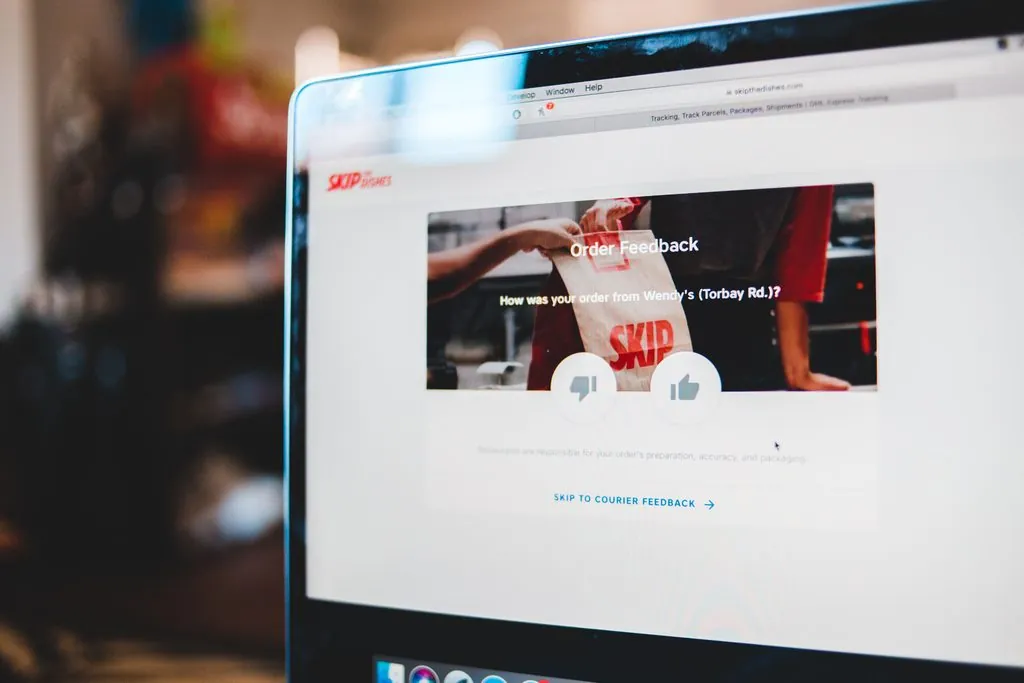
Social proof is a specific, powerful subset of trust: evidence that other people already trust you. Customer reviews, star ratings, testimonials, case studies, client logos, and “5,000+ customers served” counters all borrow credibility from your existing customers. Nielsen Norman Group notes that people are naturally guided by other people’s behavior, so seeing others endorse you lowers the perceived risk of choosing you.
Why Trust Matters More for Small Businesses
When a visitor lands on Apple or a major bank’s website, they rarely worry about legitimacy, the brand does the reassuring for them. Baymard Institute’s research confirms this asymmetry: trust and security cues matter far more for newer, less well-known, or more niche businesses, which is exactly where most Vietnamese SMEs sit. A trust badge lets a small brand borrow the recognition it hasn’t built yet.
The cost of missing trust is measurable. Baymard found that roughly 18% of shoppers abandon a purchase simply because they don’t trust the site with their card details, one of the leading reasons for checkout abandonment. For an SME in real estate, retail, F&B, wellness, or education, that is real revenue walking out the door because the website felt unsafe or unproven.
The Four Credibility Factors Every SME Website Needs
Nielsen Norman Group identifies four factors that determine whether users judge a website as credible. Getting these right is the foundation that every individual trust signal builds on.
1. Design Quality
A professional, current, well-organized design signals competence before a visitor reads a single word. Clear navigation, tidy layouts, and imagery that fits your industry all build confidence, while typos, broken links, and outdated styling quietly destroy it. For an SME, a clean website often is the first impression.
2. Upfront Disclosure
Show customers what they need to know without making them dig for it or fill out a form first. Display pricing or price ranges, contact details, service areas, delivery times, and fees openly. NN/g observed a user abandon a service site within 35 seconds because it hid its rates, reading the omission as the company “not being open enough.”
3. Comprehensive, Current Content
Thorough, up-to-date content demonstrates real expertise. Show your actual process with real photos, not only polished final results — cover your full range of services, and keep every detail accurate. A wellness studio that documents its treatments, or a real estate firm that shows genuine project photos, proves competence far better than generic stock claims.
4. Connected to the Rest of the Web
Credibility grows when your business exists beyond its own website. A presence on Google Business Profile, Facebook, and independent review platforms carries more weight than self-published praise. NN/g is explicit here: reviews and testimonials hosted on external sites are trusted more than the ones you control on your own page.
Social Proof That Actually Converts
Not all social proof is equal. These are the formats that move Vietnamese SME buyers most, roughly in order of impact:
- Customer reviews and star ratings: The single most persuasive format, real, specific, and ideally pulled from Google or Facebook where buyers can verify them.
- Detailed testimonials with a name, photo, and role: A quote from “Ms. Lan, an F&B owner in District 1” beats an anonymous five-star rating by far more than its length suggests.
- Case studies and before/after results: Concrete outcomes (“bookings up 40% in three months”) turn a claim into evidence — powerful for services and B2B.
- Client logos and partner badges: A wall of recognizable brands you have served instantly signals that you are a safe choice.
- Real-time activity and counters: “12 people booked this week” or “3,000+ customers served” uses live behavior to nudge hesitant visitors.
The rule that ties these together: specificity beats volume. One verifiable, detailed review outperforms ten vague ones every time.
Where to Place Trust Signals on Your Website
Placement decides whether a trust signal reassures a visitor or gets ignored. Match each signal to the exact moment of doubt it is meant to answer:
- Near the action: Put security badges, payment logos, and money-back guarantees right beside “Buy,” “Book,” or “Submit” buttons, where hesitation peaks.
- In the footer and About page: Business registration, certifications, and third-party endorsements such as Google Reviews belong here, validating your overall reputation.
- On landing and product pages: Lead with reviews, testimonials, and client logos near the top, so visitors meet the proof before they meet the price.
Common Trust-Building Mistakes to Avoid
Trust signals can backfire when they are used carelessly. Watch out for these frequent SME missteps:
- Fake or generic testimonials: Stock-photo faces and vague praise are easy to spot and destroy trust instantly. Only use real, verifiable proof.
- Too little social proof: NN/g warns that weak numbers can hurt more than none, “shared 12 times” reads as unpopular. If a metric is small, don’t display it yet.
- Cluttering the page: Stacking every badge and widget overwhelms visitors and buries your call to action. Curate only the few signals that matter.
- Slowing the site down: Third-party review and social widgets often load slowly, especially on mobile, test their performance before adding them.

Frequently Asked Questions
There is no magic number, but credibility rises sharply once you move past a handful. Aim for a steady stream of recent, genuine reviews on Google and Facebook rather than a fixed total, freshness and authenticity matter more than a big one-time count.
Yes, and more so than for big brands. Baymard’s research shows trust and security cues help lesser-known businesses most, because they supply the recognition a large brand already has. Placed near checkout or contact forms, they directly reduce the roughly 18% of visitors who abandon over trust concerns.
Both help, but external reviews carry more weight. NN/g found that users trust reviews hosted on independent platforms more than praise a company controls on its own page. Use on-site testimonials to tell the story, and link out to Google or Facebook reviews so visitors can verify it.
Trust Is Your Cheapest Growth Lever
For an SME, building trust is one of the highest-ROI improvements you can make to a website, it costs far less than more ad spend and lifts the conversion rate on every visitor you already have. Start with the four credibility factors, add genuine social proof at the moments of doubt, and keep every claim honest.
If you would like a website built to convert, with trust signals and social proof designed in from the start, explore Webie Vietnam’s website design and digital services (https://webie.com.vn/services/), or talk to our team directly at +84 969 838 467 or huyen.dang@webie.com.vn for a free consultation.