
ChatGPT Ads are sponsored listings that OpenAI now shows inside ChatGPT conversations, and in September 2026 the product reached Southeast Asia as part of a rollout to more than 60 countries. For a Vietnamese SME, this is the first time a mass market AI assistant has opened a paid channel sitting right where more and more buyers ask their questions. This guide explains what the format is, how advertisers buy it, and a simple way to decide whether your business should test it now or keep watching.
What ChatGPT Ads actually are
ChatGPT Ads appear as sponsored listings inside the chat, placed after the assistant finishes its answer and visually separated from it. OpenAI says every ad is “always clearly labeled as sponsored” and that “ads do not influence the answers ChatGPT gives you” (OpenAI). Someone researching a weeknight dinner, for example, might see a meal kit or grocery listing with a price below the recipe suggestions.
Three details matter for planning. First, ads show only on the Free and Go tiers, while Plus, Pro, Business, Enterprise and Education stay free of ads. Second, which ad appears is matched to the topic of the conversation, the user’s past chats, and past interactions with ads, so relevance is contextual rather than built on classic keyword bidding alone. Third, OpenAI blocks ads near sensitive subjects such as health, mental health and politics, and shows no ads to accounts it believes belong to people under 18.
On privacy, OpenAI states that “advertisers do not have access to your chats, chat history, memories, or personal details” and receive only aggregate numbers such as views and clicks (OpenAI). That boundary shapes how much targeting you can expect: less granular than a social platform, but more contextual than classic search.
Why the timeline matters for Vietnam right now
OpenAI began testing ads in ChatGPT in the United States on February 9, 2026, limited to logged in adults (OpenAI). Through 2026 the pilot widened quickly: first Canada, Australia and New Zealand, then the United Kingdom, Mexico, Brazil, Japan and South Korea. By late August the product was reported at a one billion dollar annualized revenue run rate with tens of thousands of advertisers, and on September 23, 2026 it expanded to Southeast Asia and Taiwan, part of a footprint described as more than 60 countries (CellCog).
That last step is why this deserves your attention now rather than next year. ChatGPT reached about 300 million weekly active users in early 2026 and handles roughly 2.5 billion prompts a day (AI Tool Discovery, CellCog). A growing share of your customers now start product research by asking an assistant instead of typing into a search box. One honest caveat: OpenAI has not published a country by country list we could verify, so treat “Southeast Asia” as the signal and confirm exact availability for Vietnam inside ChatGPT’s own advertiser tools before you budget for it.
How advertisers buy and measure ChatGPT Ads
There are two ways in. Larger budgets buy through agency and technology partners, including Dentsu, Omnicom, Publicis and WPP, plus Adobe, Criteo, Kargo, Pacvue and StackAdapt; these partners help with budgeting, bidding and creative while OpenAI’s system controls delivery (OpenAI). Smaller advertisers use a self service Ads Manager, still in beta and opening gradually, where you register, add payment details, set budgets and bids, upload ads and watch performance.
On cost, the pilot started with CPM buying and OpenAI has since added CPC, where “advertisers are only charged based on a click outcome” (OpenAI). Reported figures suggest prices have come down from early pilot levels, with CPMs falling from about 60 dollars toward 25 dollars and the minimum spend dropping from 250,000 dollars to 50,000 dollars across 2026, and a recommended starting bid of 3 to 5 dollars per click (CellCog). For measurement, OpenAI offers a Conversions API and a pixel so you can track purchases, leads and sign ups while still receiving only aggregated insights.
The practical read for an SME: entry costs are still built for larger advertisers today, but the direction is clearly toward lower minimums and click based pricing that a smaller budget can live with.
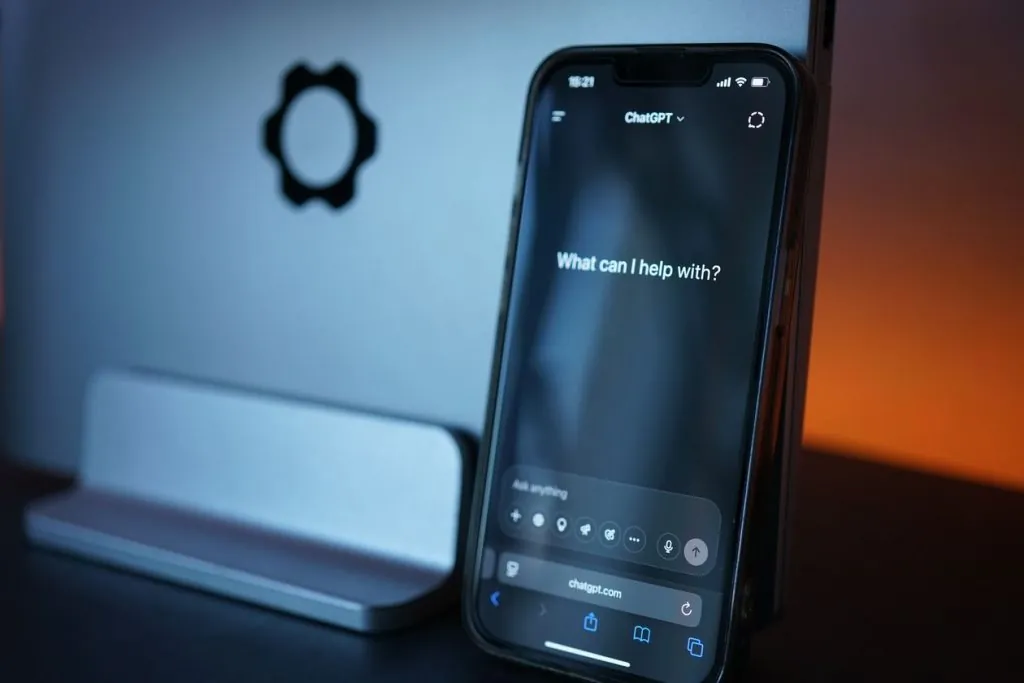
Should your SME test ChatGPT Ads now? A decision framework
Not every business should rush in. Use this simple framework to place yourself before you spend a dong.
| Signal in your business | What it means | Recommended action |
|---|---|---|
| Your customers already ask AI assistants before buying | Demand is shifting onto AI surfaces | Good reason to pilot |
| You sell products with clear online intent (retail, online shops, travel, courses) | Contextual matching works in your favour | Good reason to pilot |
| You already run Google and Meta profitably with spare test budget | You can fund learning without risking core sales | Pilot with a small ring fenced budget |
| Your buyers are strictly local walk in, or B2B with long sales cycles | ChatGPT Ads add little for you today | Wait and keep watching |
| You have no conversion tracking, no product feed, no trustworthy landing page | You cannot measure or convert the traffic | Fix the basics first, then revisit |
How to get your business ready
Even if you decide to wait, this groundwork pays off across Google, Meta and AI channels alike. A short readiness checklist:
Structure your product and service data cleanly, with accurate prices, titles and descriptions, so an AI driven listing can represent you correctly.
Make sure every campaign has conversion tracking through a pixel and a conversions API, not just click counts.
Build landing pages that load fast and earn trust, because an AI channel sends colder traffic that needs a clear next step.
Keep your public business information consistent, since assistants pull from the open web to judge relevance.
Set a small, defined test budget and a single success metric before launch, so a pilot teaches you something instead of draining spend.
Frequently asked questions
Is ChatGPT Ads available in Vietnam?
OpenAI expanded the product to Southeast Asia and Taiwan on September 23, 2026 as part of a rollout to more than 60 countries, but it has not published a verified country list that names Vietnam specifically. Check availability inside ChatGPT’s advertiser tools before you plan a budget.
Will ChatGPT ads change the answers my customers get?
No. OpenAI states that ads are clearly labeled, visually separated from the answer, and do not influence the responses ChatGPT gives. Advertisers also cannot see users’ chats, only aggregate performance data.
How much does it cost to advertise on ChatGPT?
Early pilot pricing was high, with CPMs near 60 dollars and minimum spends in the hundreds of thousands of dollars. Reported figures show those levels falling through 2026, and OpenAI has added CPC pricing where you pay per click. Confirm current rates with OpenAI or a partner, because pricing is still changing.
Want help deciding whether ChatGPT Ads, Google or Meta deserve your next marketing budget? Talk to the team at Webie Vietnam. We plan and run digital marketing for SMEs across search, social and the new AI channels. Call +84 969 838 467 or email huyen.dang@webie.com.vn, and explore our digital marketing services.