
A new startup wants to use AI to make the accounting software interface disappear entirely. For small and medium businesses, the real story is not that machines will replace bookkeepers overnight, but that repetitive back-office paperwork is quickly becoming automatable. The companies that digitize these processes early will move faster, spend less, and free their teams for work that actually grows revenue.
The News: AI Wants to Make Back-Office Software “Invisible”
On 21 September 2026, TechCrunch reported on Tabby, a real-time bookkeeping tool built by former accountant Ahad Ali. Before founding Tabby, Ali ran an accounting practice with 20 employees that handled more than 2,000 tax returns a year. In just 14 months, his seven-person team has signed up 5,500 small businesses, reached roughly 100,000 US dollars in annual recurring revenue, and is now raising a one-million-dollar pre-seed round.
The core idea is simple. Instead of asking a business owner to learn software like QuickBooks, Tabby imports account data automatically, reconciles it with AI, and surfaces live profit-and-loss dashboards on its own. Ali says the goal is to make the “visible software layer nonexistent”, the numbers stay accurate, but the owner never has to touch a complicated interface. It is a clear signal of where back-office tools are heading.
Why “Invisible Software” Is a Big Deal for Small Businesses
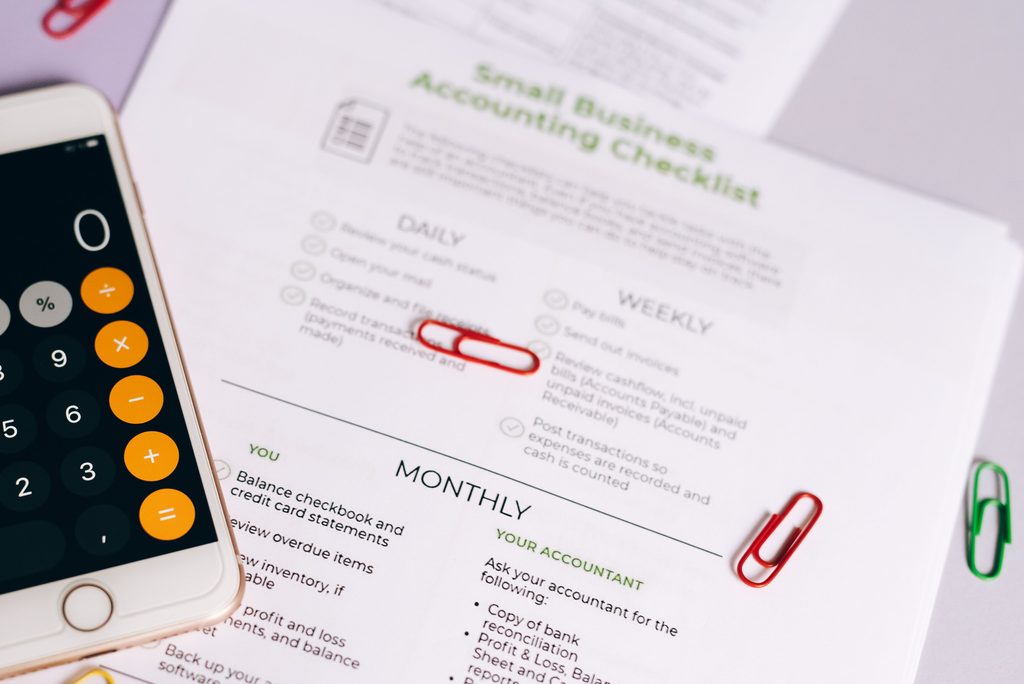
Most SME owners did not start a business to do data entry. Yet in retail, F&B, real estate, wellness, and education, the same manual paperwork repeats every single week: typing invoices, matching payments, chasing receipts, and copying numbers between apps. This is exactly the low-value, high-volume work that AI is now good at. When software becomes invisible, owners stop managing tools and start reading clean, up-to-date numbers instead.
The Repetitive Tasks AI Now Handles
- Data entry and invoice capture from photos, PDFs, and emails
- Bank and payment reconciliation across multiple accounts
- Automatic categorization of transactions and expenses
- Live profit-and-loss and cash-flow dashboards, updated daily
- Routine reports and reminders sent without manual work
Each of these tasks might only take a few minutes, but multiplied across hundreds of transactions a month they quietly consume hours of staff time. Automating them does not just cut cost, it removes the delay between something happening in the business and the owner being able to see it clearly. Faster, more accurate numbers mean faster, better decisions.
What Vietnamese SMEs Should Take From This
The lesson is not “go buy Tabby”, that product targets the US market and US tax rules. The lesson is that back-office digitization is now realistic even for a small team of three or four people. In Vietnam, tools like electronic invoices, POS systems, bank APIs, and no-code automation platforms can already be connected so that data flows in automatically instead of being retyped. The technology is no longer the barrier; the habit is.

Where to Start With Back-Office Digitization
- Map the repetitive processes that eat the most staff hours each week
- Connect your existing data sources: POS, bank, e-invoice, and spreadsheets
- Automate one workflow first instead of changing everything at once
- Keep a human in the loop to review and approve what AI produces
- Measure hours saved and errors avoided to prove the ROI
Start small and prove the value on one process, for example, automating invoice entry or daily sales reconciliation. Once you can point to real hours saved and fewer mistakes, expanding to the next workflow becomes an easy decision rather than a risky bet. This step-by-step approach keeps your team comfortable and your cash flow protected while you modernize.
Häufig gestellte Fragen
Not entirely. AI is strong at repetitive data work, but a good accountant still adds judgment on tax strategy, compliance, and planning. The realistic outcome is that AI removes the tedious entry and reconciliation, so your accountant spends time on advice instead of paperwork, which is where their value is highest for a growing SME.
No. Modern no-code and low-code tools are built for non-technical owners, and a good digital partner can set up the connections, dashboards, and automations for you. Your job is to know your processes and decide what “good” looks like; the technical setup and integration can be handled by an experienced team so you can focus on running the business.
Digitize Your Back Office With Webie
At Webie Vietnam, we help SMEs turn manual paperwork into automated, connected workflows, from CRM and task management to process digitization and event solutions. If you want to see which back-office tasks your business can automate first, explore our services or reach out for a free consultation. Call the hotline at +84 969 838 467 or email huyen.dang@webie.com.vn to get started.