Case Study Transforming Virtual Environments into High-Converting Digital Touchpoints

Modern consumer behavior is undergoing a profound structural transition. Traditional broadcast advertising platforms now experience diminishing audience engagement and high bounce rates. Meanwhile, immersive virtual worlds have emerged as primary lifestyle hubs for younger demographics. Within these digital spaces, global enterprises are deploying interactive gaming brand touchpoints to connect with Gen Z authentically.
This case study analyzes engagement mechanics within virtual worlds, focusing on Play Together as a central industry benchmark. As a result, Webie Vietnam examines how modern enterprises can apply these behavioral principles to corporate web architecture. Consequently, businesses can replace passive digital brochures with high-performance platforms that secure genuine user engagement.
The Strategic Breakdown of Legacy Digital Touchpoints
Modern marketing directors and digital decision-makers face an unprecedented engagement deficit. As Gen Z and digital-native consumers represent an expanding share of purchasing power, legacy approaches to website development and digital branding are encountering severe resistance.
The Rise of Consumer Ad Fatigue and Rejection of Friction
Modern audiences possess an acute sensitivity toward unsolicited advertising. When arriving at a typical corporate website, visitors frequently encounter modal pop-ups, disruptive newsletter overlays, cookie banners, and auto-playing promotional media. Rather than driving conversions, these obstacles create acute friction and cause immediate drop-offs. Digital-native generations do not reject commercial brands outright; they reject clumsy user flows, sluggish load times, and interruptions to their personal agency.
The Failure of the Static Electronic Brochure
A significant majority of corporate web properties continue to function as digitized print brochures. They present unbroken paragraphs of descriptive text, rigid navigational structures, and unidirectional corporate messaging. In an era where audiences expect discovery, speed, and real-time interaction, passive websites fail to generate emotional connection or sustained dwell time. When a platform offers no interactive value, visitors leave within seconds to seek intuitive alternatives elsewhere.
Industry Benchmark How Brands Integrated into Play Together VNG
To address modern retention challenges, enterprises must examine the operational blueprint executed within Play Together VNG, an open-world simulation title that captured millions of active users across Southeast Asia.
Audience Demographics and Behavioral Dynamics
Unlike traditional competitive esports titles, Play Together operates as an open-ended social simulator. Its active player demographic features a prominent female user base alongside social-first creative explorers. User motivations center on virtual home design, digital fashion styling, pet collecting, and real-time social meetups. The platform functions effectively as a bustling virtual metropolis where younger demographics congregate to express identity, interact with peers, and establish daily lifestyle routines.
Strategic Brand Integrations in Practice
Forward-thinking consumer brands bypassed conventional digital banner ads entirely, choosing instead to build authentic, functional presence within the virtual city center.
- 7-Eleven Convenience Store Infrastructure
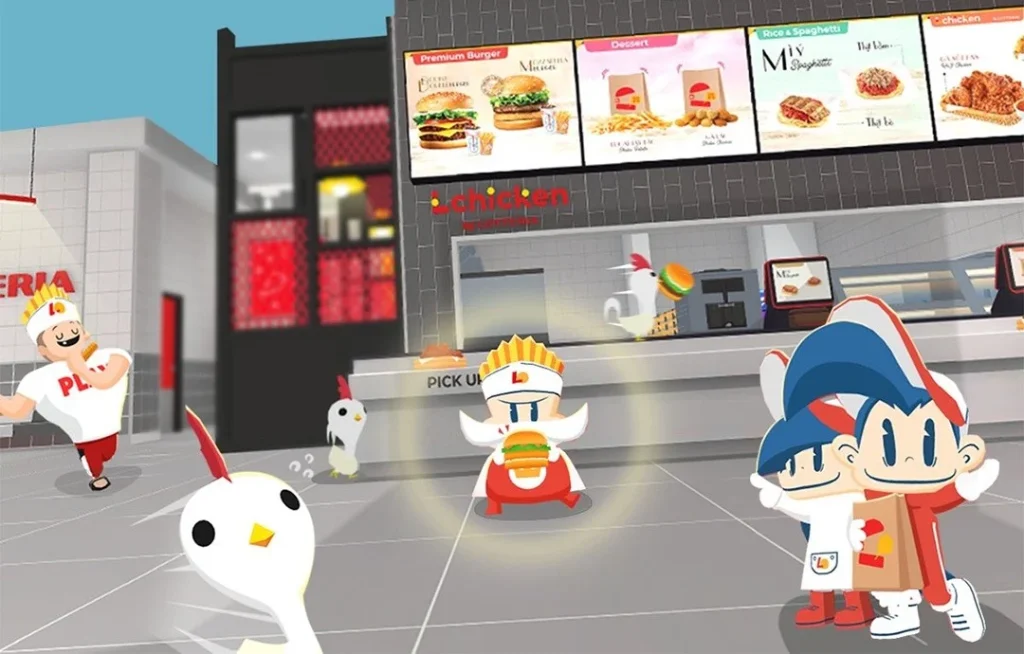
7-Eleven established fully branded, interactive retail locations in the central plaza. Users visit the storefront to purchase virtual food items that restore in-game character stamina. By tying commercial presence directly to core platform utility, the brand became a natural part of the player gameplay loop rather than an unwanted distraction. - Lotteria Interactive Dining and Delivery Hubs
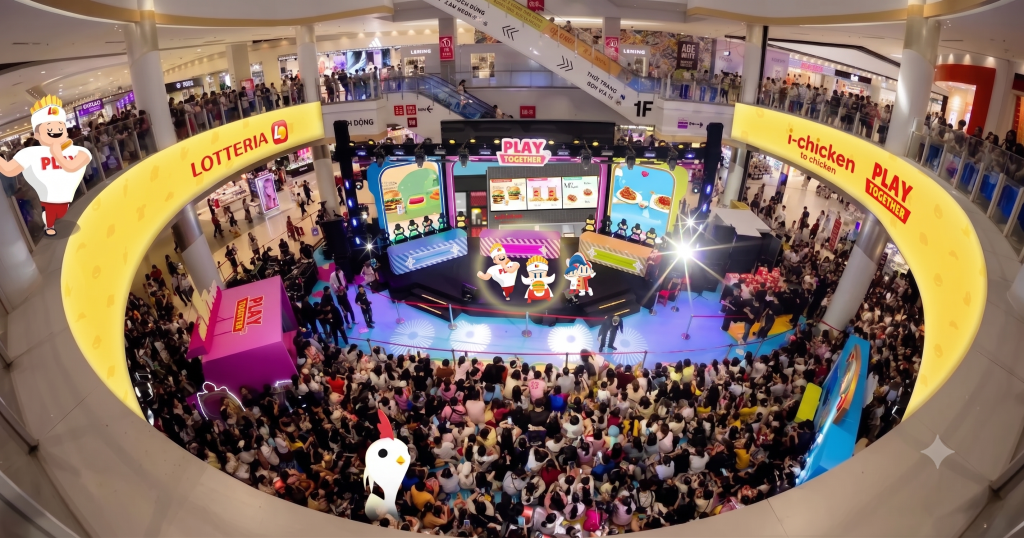
Lotteria deployed interactive restaurant buildings complete with drive-through lanes and branded delivery boxes. Avatars can accept delivery quests, hold food items, and interact directly with branded staff non-player characters, building positive brand familiarity through cooperative exploration. - Life4Cuts Social Photobooths
Harnessing the widespread popularity of Korean photobooth culture, Life4Cuts built virtual instant-photo stations. Players dress up their digital characters, pose with friends, capture virtual photo strips, and export them directly to external social platforms like Instagram and TikTok, generating massive organic brand impressions.
Strategic Analysis 4 Architectural Principles for Enterprise Web Platforms
The mechanisms driving high engagement in virtual worlds provide direct architectural frameworks for enterprise web design, customer experience design, and digital brand development.
1. Prioritizing Native Co-Presence Over Intrusive Interruption
The brand activations inside Play Together succeeded because they added contextual value to the existing ecosystem. Enterprise digital platforms require identical discipline. Corporate websites must eliminate disruptive roadblocks, intrusive overlays, and aggressive sales pitches. Digital touchpoints should guide prospective clients naturally through clean visual hierarchies and intuitive pathways, allowing visitors to discover organizational value at their own pace.
2. Replacing Passive Browsing with Active Agency
Virtual platforms captivate users because they place the audience in direct control of their journey. When corporate platforms adopt this design philosophy, user dwell times increase substantially. Integrating self-directed interactive elements such as solution selectors, interactive project showcases, responsive data calculators, and micro-interactions turns passive site readers into active participants, establishing immediate psychological ownership over the interaction.
3. Creating Omnichannel Continuity
Virtual activations in gaming platforms rarely exist in a silo; they connect directly to real-world outcomes such as discount vouchers redeemable at offline retail cash registers. A modern corporate website must act as the primary operational hub of an omnichannel ecosystem. The platform should synchronize seamlessly with CRM databases, marketing automation platforms, physical operations, and mobile touchpoints to deliver a coherent brand experience across all touchpoints.
4. Demanding Sub-Second Speed and Absolute Engineering Stability
In open-world games, server latency or visual frame drops destroy immersion and lead to immediate player attrition. The performance standards of enterprise web design are equally unforgiving. Modern research indicates that websites exceeding three seconds in page loading lose over half of their prospective traffic. Ambitious creative design must always be backed by disciplined engineering, clean lightweight code bases, asset compression, and robust infrastructure.
Enterprise Solutions with Webie Vietnam
Bridging the gap between engaging interactive experiences and enterprise-grade corporate platforms is the primary focus of Webie Vietnam. We help ambitious companies abandon obsolete web layouts, engineering custom digital touchpoints that capture attention, establish brand authority, and maximize conversions.
Human-Centered UI/UX Design Systems
Webie Vietnam crafts custom, user-focused digital interfaces built around contemporary cognitive habits. We eliminate complex navigational structures and align design components with purposeful brand storytelling, ensuring every visitor interaction feels natural, modern, and effortless.
Robust Front-End and Back-End Engineering
Exceptional brand aesthetics require reliable engineering execution. Our technical development teams implement clean code structures, lightweight asset architectures, and high-performance server deployments. Webie Vietnam guarantees sub-second page delivery speeds, seamless cross-browser responsiveness, and stable performance capable of handling heavy concurrent traffic.
Technical SEO and Organic Architecture
A high-converting digital platform must be discoverable. Webie Vietnam integrates advanced technical SEO standards directly into the platform code base, combining semantic markup, Core Web Vitals optimization, and clean URL routing to maximize search engine authority and secure long-term organic growth.
Frequently Asked Questions (FAQ)
1. How do virtual brand touchpoints differ from traditional digital advertising?
Traditional advertising interrupts the audience experience through aggressive pop-ups and display banners, whereas virtual touchpoints integrate organically into everyday community routines through functional utility and interactive spaces, creating genuine brand affinity without causing friction or annoyance.
2. What core lesson can enterprise web platforms learn from open-world gaming environments?
The defining takeaway is shifting from one-way corporate broadcasting to audience empowerment by removing intrusive interface barriers, designing intuitive self-directed navigation pathways, and maintaining sub-second page load speeds to preserve engagement naturally.
Building Modern Digital Touchpoints
The lessons derived from Play Together VNG prove that modern consumers reward seamless experiences and reject intrusive commercial noise. As the digital marketplace becomes increasingly competitive, businesses cannot afford to rely on static, slow, and outdated digital assets. Adopting a user-first mindset that blends captivating UI/UX with high-performance technical engineering is the definitive path to sustainable digital relevance.
Transform your digital presence into an active, high-converting brand asset with Webie Vietnam.
Hotline: +84 969 838 467 – Huyen DANG
Email: huyen.dang@webie.com
Website: webie.com.vn